Cooked on Purpose: The Deliberate Physiology of Fever and the Limits of Fighting It
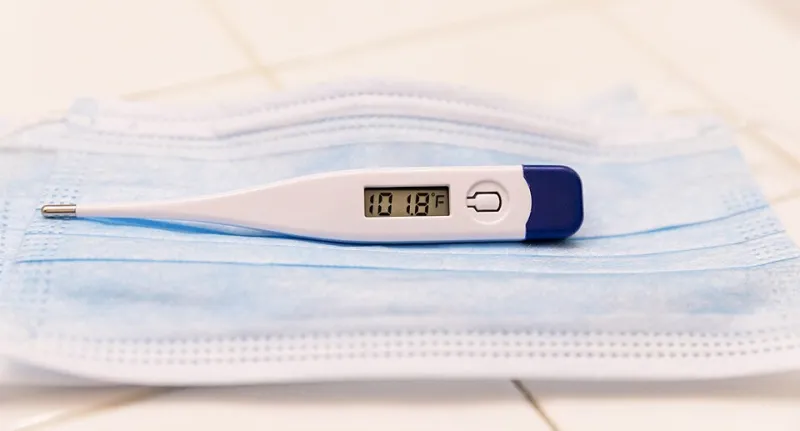
Photo: Alabama Extension, CC0, via Wikimedia Commons
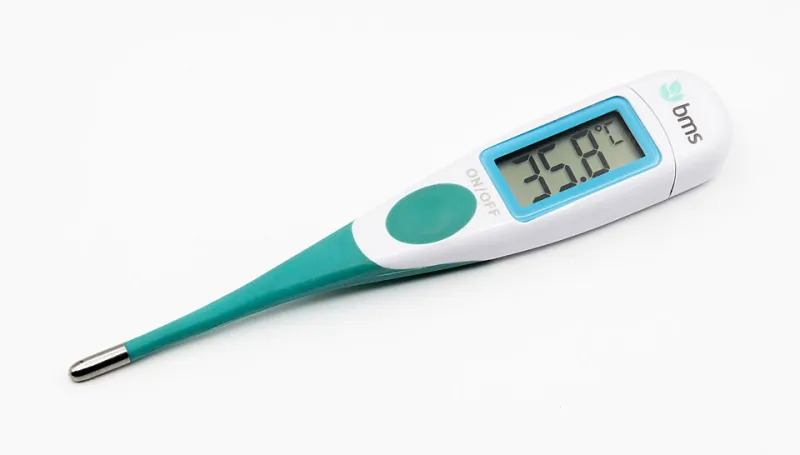
Somewhere around hour three of a 102°F fever, most Americans reach for acetaminophen. It is a reflex as American as ice water and chicken soup — bring the number down, restore order, get back to work. But the number is not the enemy. The number is a strategy.
Fever is one of the most metabolically audacious things a human body does. It is not a symptom of infection in any passive sense. It is a decision, made by a structure the size of an almond at the base of your brain, to spend enormous energy deliberately heating the body — because a warmer body is, within limits, a better battlefield.
The Thermostat Gets a New Instruction
At the center of this decision sits the hypothalamus, the region that maintains your body's thermal set point much the way a thermostat governs a furnace. During infection, immune cells circulating in the blood release signaling proteins called pyrogenic cytokines — interleukin-6, interleukin-1 beta, tumor necrosis factor. These messengers reach the brain and effectively hand the hypothalamus a new operating order: raise the set point.
What follows is the strange sensation every fevered person knows. Your core temperature is 99°F, but your brain now expects 102°F. Subjectively, you are cold. You shiver — rapid muscle contractions generating heat. Blood vessels in your skin constrict, reducing heat loss. You curl up under blankets. You are not reacting to the fever; you are building it, molecule by molecule, shiver by shiver.
The costs are staggering. Every 1°C rise in core temperature increases metabolic rate by roughly 10 to 12 percent. A feverish body burns through calories, water, and protein at an accelerated clip. Evolution does not permit such extravagance without a return on investment.
What the Heat Buys
The returns come in several currencies. Elevated temperature accelerates the kinetics of immune chemistry — enzymes and signaling reactions that run faster at higher temperatures, meaning immune cells that would otherwise take hours to mobilize arrive sooner. Certain bacteria, including the spirochete responsible for syphilis, are directly heat-sensitive and replicate more poorly at febrile temperatures. Interferon production, T-cell proliferation, and the migration of neutrophils to infection sites are all enhanced in a warmer internal environment.
There is even evidence that fever modulates iron availability. Many pathogens require iron to replicate, and elevated temperature — alongside the inflammatory response — drives a drop in circulating iron that effectively starves the invader.
Clinical observation has long hinted at this. Studies across infections have found that patients who mount fevers sometimes clear certain illnesses faster than those kept afebrile, and animal research shows suppressed fever is associated with increased mortality in some infections. The effect is not universal, and it is not a mandate to suffer — but it complicates the reflexive assumption that every degree must be medicated away.
The Honest Caveats
None of this makes fever an unqualified good. Fever is uncomfortable, dehydrating, and metabolically punishing. In vulnerable populations — infants, the elderly, people with cardiac disease, anyone prone to febrile seizures — the costs can outweigh the immunological benefits. Antipyretics also do more than lower temperature; they relieve the misery that keeps a sick person from drinking, sleeping, and recovering.
A reasonable reading of the evidence: treating fever for comfort is legitimate medicine. Treating fever out of fear that the temperature itself is dangerous — in an otherwise healthy adult — rests on shaky ground.
Where the Red Lines Actually Sit
The medical red lines are less about the number on the thermometer than about context, but some thresholds are well established:
- Above 104°F (40°C) in adults warrants medical evaluation; hyperpyrexia at this level risks direct tissue injury and the fever has likely outlived its usefulness.
- Any fever above 100.4°F in an infant under three months is an emergency, regardless of how well the baby appears.
- Fever with confusion, a stiff neck, difficulty breathing, a rash that does not blanch under pressure, or persistent vomiting signals something beyond a routine viral illness.
- Fever lasting more than three days without improvement deserves professional assessment.
- Above roughly 107.6°F (42°C), proteins begin to denature and the fever itself becomes the injury — this is heat stroke territory, and it is a medical emergency, not an immune strategy.
A Warmer View of an Old Reflex
The next time a fever arrives, the question worth asking is not "how do I make this number go down?" but "what is my body trying to accomplish, and what does it need to accomplish it?" Often the answer is fluids, rest, and patience — with medication reserved for comfort rather than correction.
The body that cooks itself on purpose has been running this program for hundreds of millions of years. Respecting the program, while knowing exactly when to override it, is the more scientifically honest position.