Shock to the System: What Cold Water Immersion Really Does to Your Heart, Blood Vessels, and Brain
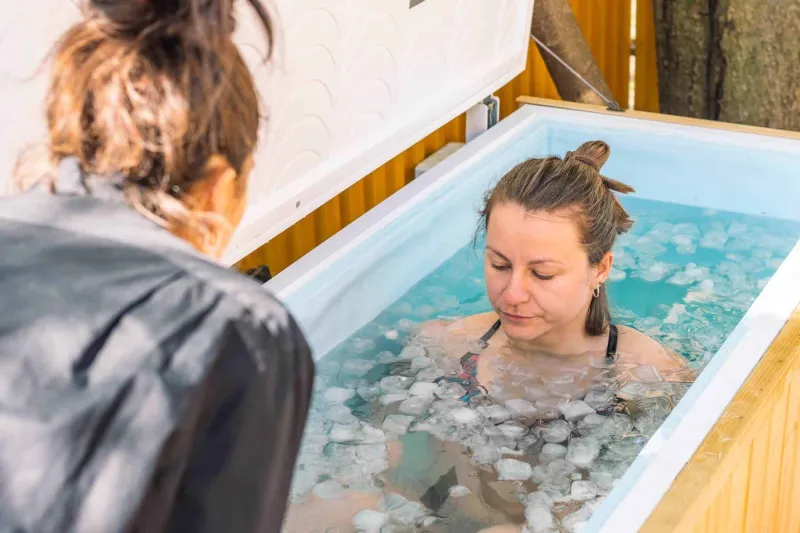
Photo: cold plunge ice bath immersion therapy athletic recovery, via rokspas.com
Walk into any upscale gym in New York, Los Angeles, or Chicago today, and there is a reasonable chance you will find a cold plunge tub — and someone either dreading or celebrating their time in it. Cold water immersion has moved well beyond the realm of elite athletic recovery and into mainstream American wellness culture, fueled by a combination of social media enthusiasm and a genuine (if sometimes overstated) body of research. But what does immersion in water between 50 and 59 degrees Fahrenheit actually do to the human body, moment by moment? The answer involves one of the most rapid and coordinated cardiovascular responses the body is capable of producing.
The First Seconds: A Full-System Alarm
The instant skin contacts cold water, thermoreceptors in the skin — primarily free nerve endings sensitive to rapid temperature drops — fire signals along A-delta and C fibers to the spinal cord and brainstem. The response is immediate and involuntary: gasping, rapid breathing, and a surge of sympathetic nervous system activity that floods the bloodstream with catecholamines, including epinephrine and norepinephrine.
This initial response is sometimes called cold shock, and it is physiologically distinct from the longer-term effects of immersion. Heart rate spikes sharply within the first 30 seconds. Blood pressure rises. In individuals with underlying cardiovascular disease, this acute surge can, in rare cases, precipitate arrhythmia or cardiac events — which is why cold immersion carries genuine contraindications that wellness culture does not always communicate clearly.
For healthy individuals, however, this alarm response subsides within approximately 60 to 90 seconds as the body begins to mount a more organized physiological defense.
Vasoconstriction: Protecting the Core
One of the most immediate and sustained responses to cold immersion is peripheral vasoconstriction — the narrowing of blood vessels in the skin, limbs, and extremities. This is orchestrated by the sympathetic nervous system through alpha-adrenergic receptor activation in vascular smooth muscle. By reducing blood flow to the periphery, the body prioritizes delivery of warm, oxygenated blood to vital organs: the heart, brain, and kidneys.
This redistribution of circulation is efficient and protective, but it also explains several of the subjective sensations people report during a cold plunge. The feeling of the limbs becoming numb or difficult to move reflects both reduced nerve conduction velocity at lower temperatures and diminished blood supply to peripheral musculature. Manual dexterity can deteriorate markedly within two to three minutes of immersion in cold water — a fact with significant safety implications for open-water swimmers.
The Mammalian Dive Reflex: An Ancient Override
Cold water immersion — particularly when the face is submerged or splashed — activates what physiologists call the mammalian dive reflex. This is an evolutionarily conserved response observed across all air-breathing vertebrates, including humans, and it involves a paradoxical slowing of the heart rate (bradycardia) that counteracts the initial tachycardia of cold shock.
The reflex is mediated through the trigeminal nerve, which detects cold contact on the face and sends signals to the vagus nerve, producing parasympathetic braking of cardiac output. Simultaneously, vasoconstriction in the periphery maintains blood pressure, routing available circulation to the brain and heart. The net result is a reduction in overall oxygen consumption — a survival mechanism that, in extreme cold-water drowning cases, has allowed some individuals to survive extended submersion.
In the context of deliberate cold plunging, the dive reflex contributes to the calm, almost meditative state many practitioners report after the initial shock phase passes. Heart rate stabilizes, breathing slows, and a paradoxical sense of clarity or alertness often emerges.
Cortisol, Dopamine, and the Neurochemical Aftermath
Cold immersion produces a rapid and measurable increase in cortisol — the primary glucocorticoid released by the adrenal cortex in response to physiological stress. This is a normal and expected stress response, and in acute doses, cortisol serves adaptive functions: it mobilizes glucose, modulates inflammation, and enhances alertness. The cortisol spike from a brief cold plunge is transient and unlikely to produce the negative effects associated with chronic cortisol elevation.
Of greater interest to many researchers is the effect of cold immersion on monoamine neurotransmitters. Studies have documented significant increases in norepinephrine — sometimes as high as 300 percent above baseline — following cold water immersion, along with more modest increases in dopamine. These neurochemical shifts are consistent with the mood elevation, increased energy, and enhanced focus that regular cold plunge practitioners frequently describe. Whether these effects are durable and clinically meaningful across diverse populations remains an active area of inquiry.
Brown Fat Activation: The Metabolism Connection
Unlike white adipose tissue, which stores energy, brown adipose tissue (BAT) generates heat through a process called non-shivering thermogenesis. BAT contains a high density of mitochondria and expresses a protein called uncoupling protein 1 (UCP1), which allows it to dissipate energy as heat rather than storing it as ATP.
Cold exposure is one of the primary stimuli for BAT activation and, with repeated exposure, BAT recruitment — the conversion of some white fat cells into metabolically active beige adipocytes. Research from institutions including the National Institutes of Health has confirmed that adults retain meaningful quantities of metabolically active brown fat, particularly in the supraclavicular region of the neck and upper chest.
This has led to considerable interest in cold immersion as a tool for metabolic health. While the caloric expenditure during a single cold plunge is modest, regular cold exposure over weeks to months may contribute to improved insulin sensitivity and enhanced thermogenic capacity. These effects are promising but should not be overstated — cold immersion is not a substitute for exercise or dietary management of metabolic conditions.
Adaptation With Repeated Exposure
The body adapts to repeated cold exposure through several mechanisms. Shivering — which is metabolically expensive and uncomfortable — diminishes as BAT becomes more active and efficient. Peripheral vasoconstriction becomes more precisely regulated, and the initial cold shock response attenuates as the nervous system habituates. Some research suggests that cold-adapted individuals also show more robust cardiovascular recovery after immersion, with faster normalization of heart rate and blood pressure.
This adaptive trajectory is one reason proponents of regular cold plunging report that what once felt unbearable becomes manageable, and eventually even pleasurable. The physiology supports this: the body is genuinely changing in response to the repeated stimulus.
Who Should Exercise Caution
Despite its benefits for many individuals, cold water immersion is not universally appropriate. Those with the following conditions should consult a physician before attempting cold plunging:
- Cardiovascular disease or arrhythmia: The acute sympathetic surge can place significant demands on a compromised heart.
- Raynaud's phenomenon: Cold triggers exaggerated vasospasm in affected individuals, which can cause tissue injury.
- Hypertension: The blood pressure spike during cold shock may be unsafe at certain severity levels.
- Pregnancy: Thermoregulatory demands and cardiovascular stress make cold immersion inadvisable without medical clearance.
Optimal Parameters: What the Evidence Suggests
For healthy adults, research and clinical experience point toward water temperatures between 50 and 59°F (10–15°C) and immersion durations of two to ten minutes as a reasonable starting range. Shorter durations are appropriate for beginners, with gradual progression as cold tolerance develops. Post-immersion rewarming should be passive (movement and warm clothing) rather than immediate hot water exposure, which can cause blood pressure instability through rapid vasodilation.
Frequency of two to four sessions per week appears sufficient to drive adaptive changes without accumulating excessive physiological stress.
The Bottom Line
Cold water immersion is neither a miracle therapy nor mere wellness theater. It triggers a genuine, well-characterized cascade of cardiovascular, neurochemical, and metabolic responses — many of which carry real physiological benefits when practiced appropriately. Understanding the biology behind the practice allows individuals to approach it with informed expectations, appropriate caution, and a more honest appraisal of what the evidence does and does not yet support.