Fed but Fading: The Paradoxical Physiology of Blood Sugar Crashes After High-Carbohydrate Meals
There is something deeply counterintuitive about feeling exhausted after a large bowl of pasta or a stack of pancakes. The logic of energy intake suggests the opposite should occur: consume more carbohydrates, receive more fuel, perform better. Yet for a substantial portion of the American population, the postprandial period — the two to four hours following a carbohydrate-dense meal — is characterized by fatigue, difficulty concentrating, irritability, and a hunger that arrives far too soon. This pattern has a clinical name: reactive hypoglycemia, sometimes called postprandial hypoglycemia. But even in individuals who do not meet the strict diagnostic threshold, a milder version of the same physiological cascade unfolds routinely, quietly undermining energy regulation throughout the day.
Understanding why this happens requires moving past the simplified model of carbohydrates as uniform fuel and examining the actual sequence of biological events that begins the moment a high-glycemic meal reaches the small intestine.
The Speed Problem: Absorption Rate and the Insulin Overshoot
Not all carbohydrates are metabolized at the same pace. Simple sugars and refined starches — the structural backbone of most processed American food — are broken down and absorbed into the bloodstream with remarkable speed. Within fifteen to thirty minutes of ingestion, blood glucose concentrations begin rising sharply. The pancreatic beta cells, detecting this rapid elevation via glucose-sensing mechanisms, respond by secreting insulin in proportion to the perceived threat of hyperglycemia.
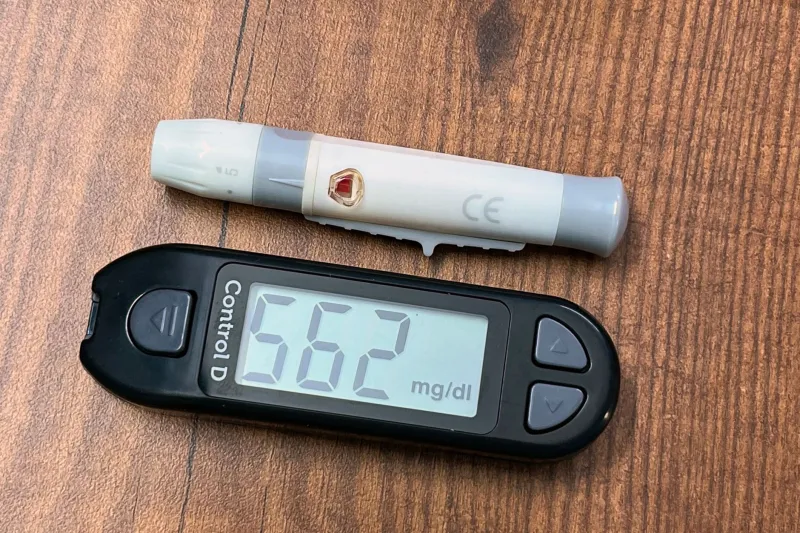
Here is where the cascade begins to misfire. The insulin response is calibrated not only to the current glucose level but to the rate at which that level is climbing. A steep, rapid rise in blood glucose provokes a disproportionately large insulin secretion — a physiological overshoot. This excess insulin then drives glucose into skeletal muscle, adipose tissue, and the liver at a rate that outpaces ongoing dietary absorption. The result is a blood glucose level that drops below the fasting baseline, sometimes falling into the clinically hypoglycemic range below 70 mg/dL, even though food was consumed less than two hours prior.
The body, in attempting to prevent dangerously high blood sugar, has overcompensated and created the very energy deficit it was trying to avoid.
The Role of Insulin Resistance: A Compounding Variable
The problem is not simply one of acute overshooting. Chronic exposure to high-glycemic diets progressively alters insulin sensitivity at the cellular level. In insulin-resistant individuals — a population that has grown considerably as processed food consumption has risen — peripheral tissues such as skeletal muscle become less responsive to insulin signaling. The pancreas compensates by secreting even larger quantities of insulin to achieve the same glucose uptake.
This compensatory hyperinsulinemia amplifies the overshoot effect. A meal that might cause a modest postprandial dip in a metabolically healthy individual triggers a far more severe glucose decline in someone with early insulin resistance. The irony is significant: insulin resistance, typically associated with elevated blood sugar, simultaneously creates conditions that predispose individuals to episodic hypoglycemia. The metabolic dysregulation operates in both directions.
Furthermore, insulin resistance is not uniform across tissue types. Adipose tissue and the liver may retain greater sensitivity than skeletal muscle, which means dietary glucose is disproportionately directed toward fat storage rather than oxidative metabolism — contributing to the subjective sensation of low energy even when circulating glucose is not yet critically low.
Counter-Regulatory Hormones and the Stress Response
When blood glucose falls, the body mobilizes a counter-regulatory response designed to restore euglycemia — the physiologically normal glucose range. Glucagon, secreted by pancreatic alpha cells, signals the liver to release stored glycogen through glycogenolysis and to synthesize new glucose via gluconeogenesis. Simultaneously, the adrenal glands release epinephrine and cortisol, hormones that both mobilize glucose and produce the familiar symptoms of hypoglycemia: shakiness, sweating, anxiety, and an urgent craving for food.
This counter-regulatory surge is not merely a metabolic correction — it is experienced as a stress event. The adrenergic activation that accompanies a significant blood sugar drop produces physiological arousal that many individuals interpret as hunger, anxiety, or simply feeling unwell. The subsequent urge to consume more carbohydrates, often in refined form, is not a failure of willpower. It is a hormonally driven behavioral response to a genuine, if self-induced, physiological emergency.
Repetition of this cycle — high-carb meal, insulin overshoot, glucose crash, counter-regulatory surge, renewed carbohydrate craving — creates a feedback loop that can persist throughout the day and become self-reinforcing over time.
Intestinal Architecture and the Incretin Contribution
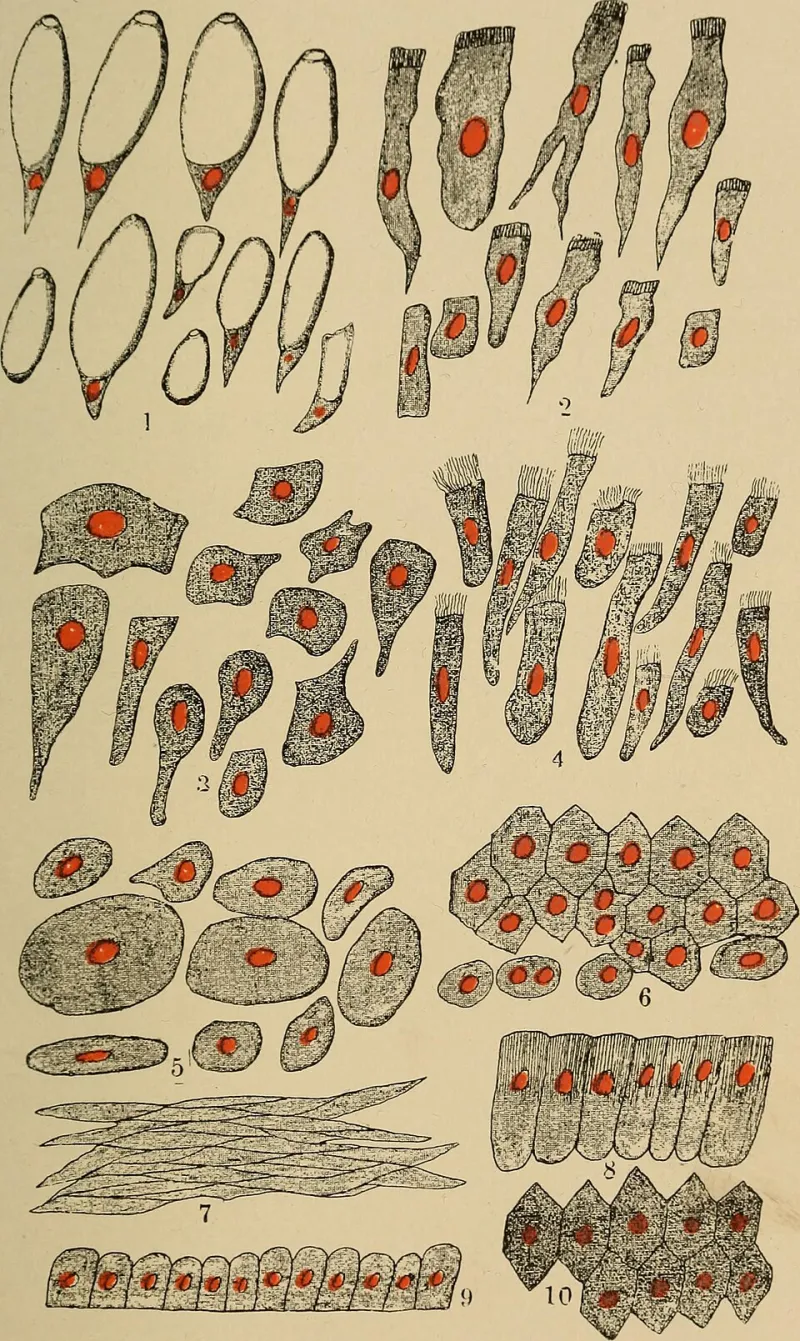
The gastrointestinal tract is not a passive conduit in this process. Specialized enteroendocrine cells lining the small intestine detect the presence of glucose and respond by releasing incretin hormones, most notably glucagon-like peptide-1 (GLP-1) and glucose-dependent insulinotropic polypeptide (GIP). These hormones amplify the pancreatic insulin response above and beyond what blood glucose alone would stimulate — accounting for what researchers call the incretin effect, which is responsible for a substantial proportion of total postprandial insulin secretion.
In individuals who consume frequent high-glycemic meals, incretin signaling becomes chronically elevated. The intestinal response to glucose grows more pronounced, further accelerating the insulin surge. Emerging research also suggests that the composition of the gut microbiome influences incretin secretion, adding another layer of variability to postprandial glucose dynamics that is only beginning to be characterized.
Meal Composition as Physiological Modulation
The structure of a meal — not merely its carbohydrate content — exerts considerable influence over the speed of glucose absorption and the magnitude of the insulin response. Dietary fat, protein, and soluble fiber all slow gastric emptying and intestinal absorption, attenuating the glycemic curve and reducing the likelihood of an overshoot. A meal composed predominantly of refined carbohydrates lacks these moderating elements, leaving absorption rate essentially uncontrolled.
This is why two meals with identical carbohydrate content can produce dramatically different postprandial glucose profiles. A cup of white rice consumed alone generates a sharply different glycemic response than the same rice consumed alongside legumes, non-starchy vegetables, and a protein source. The physiological architecture of the meal — how its macronutrients interact to govern gastric emptying and intestinal transit — is as important as the raw carbohydrate load.
What the Pattern Reveals About Modern Eating
Reactive hypoglycemia and postprandial dysregulation are not simply medical curiosities. They represent a measurable consequence of dietary patterns that have shifted dramatically over the past half-century toward faster-absorbing, more glycemically aggressive foods. The American food environment, with its abundance of refined grains, added sugars, and low-fiber processed products, is structurally conducive to the insulin overshoot cycle.
For clinicians and researchers, the postprandial glucose curve is increasingly recognized as a more sensitive indicator of metabolic health than fasting glucose alone. Continuous glucose monitoring studies in otherwise healthy individuals have revealed that significant glycemic variability — including postprandial dips — is far more common than clinical diagnostic criteria would suggest.
The body's glucose regulation system is a finely calibrated mechanism, capable of maintaining blood sugar within a narrow range under conditions it was evolutionarily designed to handle. High-frequency, high-glycemic eating is not among those conditions. The fatigue that follows a carbohydrate-heavy meal is not a coincidence. It is the predictable output of a system pushed beyond its operational parameters — a metabolic signal worth paying attention to.