Physiology One Exploring the Human Body, Inside and Out

Physiology One

Exploring the Human Body, Inside and Out

Latest Articles

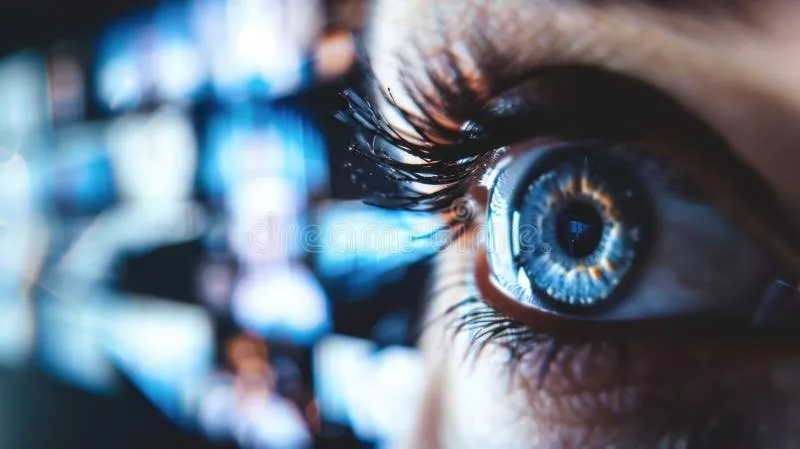
Strained, Blurred, and Burning: The Visual Physiology Behind Screen-Induced Eye Fatigue
Neuroscience

Strained, Blurred, and Burning: The Visual Physiology Behind Screen-Induced Eye Fatigue

Hours in front of a screen exact a measurable physiological toll on the eyes, triggering a cascade of muscular fatigue, disrupted tear chemistry, and neural strain that manifests as blurred vision and throbbing headaches. Understanding the sensory mechanics behind digital eye strain reveals why the modern workday is uniquely punishing to the visual system. Science-backed recovery strategies rooted in how the eye actually functions offer a clearer path forward.
Inhale, Exhale, Reset: How Breathing Patterns Rewire Your Autonomic Nervous System
Neuroscience

Inhale, Exhale, Reset: How Breathing Patterns Rewire Your Autonomic Nervous System

Every breath you take is not merely an act of gas exchange — it is a direct signal to the nervous system that can shift the body between states of calm and arousal within seconds. The physiological link between respiratory rate and autonomic function runs through the vagus nerve, the brainstem, and the biochemistry of blood gases in ways that are both ancient and remarkably precise. Understanding this connection explains why controlled breathing practices have measurable effects on heart rate, e

From Damage to Recovery: A Cellular Timeline of the Inflammatory Response
Neuroscience

From Damage to Recovery: A Cellular Timeline of the Inflammatory Response

Inflammation has earned an unfairly negative reputation in popular health culture, but at the cellular level it represents one of the body's most sophisticated and precisely orchestrated repair systems. Tracing the complete arc of the inflammatory response—from the moment of tissue injury through full resolution—reveals a cascade of molecular events that is both more nuanced and more purposeful than most people realize. Understanding this timeline has direct implications for how we approach reco

Heat, Sweat, and Strain: The Hidden Physiology Behind Summer Athletic Performance
Metabolism & Nutrition

Heat, Sweat, and Strain: The Hidden Physiology Behind Summer Athletic Performance

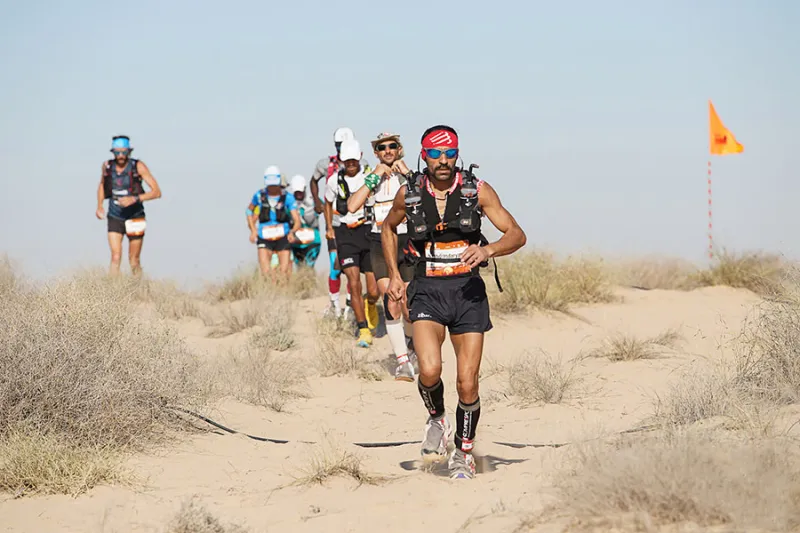
When temperatures climb, the human body faces a set of competing physiological demands that make every workout measurably harder—even when the effort feels the same. From cardiac drift to electrolyte depletion, summer training stresses systems that most athletes rarely consider. Understanding the science behind heat-related performance decline is the first step toward training smarter when the mercury rises.

Timing Is Everything: The Circadian Biology Behind When You Should Train
Metabolism & Nutrition

Timing Is Everything: The Circadian Biology Behind When You Should Train

Your body's internal clock does far more than regulate sleep — it orchestrates a precise daily rhythm of hormonal output, core temperature, and metabolic efficiency that directly shapes how well you perform during exercise. Understanding the physiology behind circadian timing can help you schedule your workouts to align with your biology rather than work against it. Here is what the science actually says.

The Second Brain Speaks: How Gut Bacteria Shape Your Emotions, Appetite, and Mental Well-Being
Neuroscience

The Second Brain Speaks: How Gut Bacteria Shape Your Emotions, Appetite, and Mental Well-Being

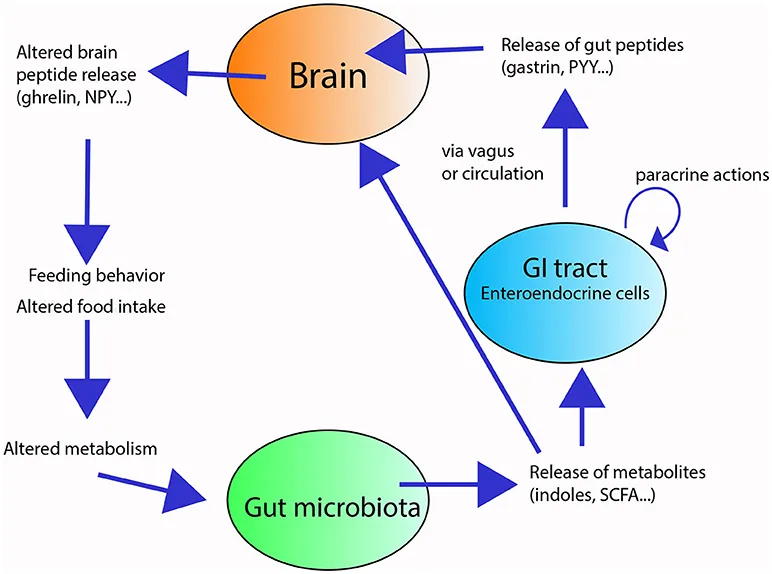
Decades of neuroscience focused almost exclusively on the brain as the seat of mood and mental health — but a rapidly expanding body of research is rewriting that story. The trillions of microorganisms living in the human gut communicate with the brain through a sophisticated bidirectional highway, influencing everything from anxiety levels to food cravings. Understanding this gut-brain axis may fundamentally change how we think about depression, stress, and even what we choose to eat for dinner

Your Brain on Autopilot: The Real Neuroscience of How Habits Are Built — and Why It Takes Longer Than You Think
Neuroscience

Your Brain on Autopilot: The Real Neuroscience of How Habits Are Built — and Why It Takes Longer Than You Think

The popular claim that habits form in 21 days has been thoroughly debunked by modern neuroscience — yet it persists in self-help culture with remarkable tenacity. Understanding how the basal ganglia, prefrontal cortex, and dopamine reward circuits actually collaborate to encode behavior reveals a far more nuanced, and ultimately more empowering, picture of human habit formation. The real timeline depends on the complexity of the behavior, individual neurological variability, and the consistency

Sixteen Hours Without Food: A Physiological Timeline of What Intermittent Fasting Does to Your Body
Metabolism & Nutrition

Sixteen Hours Without Food: A Physiological Timeline of What Intermittent Fasting Does to Your Body

Intermittent fasting has become one of the most widely practiced dietary strategies in the United States, yet many people adopt it without a clear understanding of the biological events unfolding hour by hour. A closer examination of metabolic rate, insulin dynamics, hormonal shifts, and the cellular recycling process known as autophagy reveals a sophisticated physiological response — one that carries genuine benefits for many individuals, alongside important caveats that popular coverage freque