Physiology One Home

Category

Neuroscience

21 articles

The Tension Trap: How Chronically Tight Muscles Undermine Force, Feedback, and Movement Efficiency

The Tension Trap: How Chronically Tight Muscles Undermine Force, Feedback, and Movement Efficiency

Muscle tightness is widely misread as a sign of strength, but the physiology tells a different story. Chronic tension within fascial networks and muscle fibers actively degrades force production, distorts proprioceptive signals, and triggers compensatory movement patterns that accumulate across the entire kinetic chain. Understanding what excessive tension actually costs the body — at the cellular and mechanical level — reframes how we think about mobility, recovery, and performance.

Windows to the Nervous System: What Pupil Behavior Reveals About Stress, Cognition, and Emotional Processing

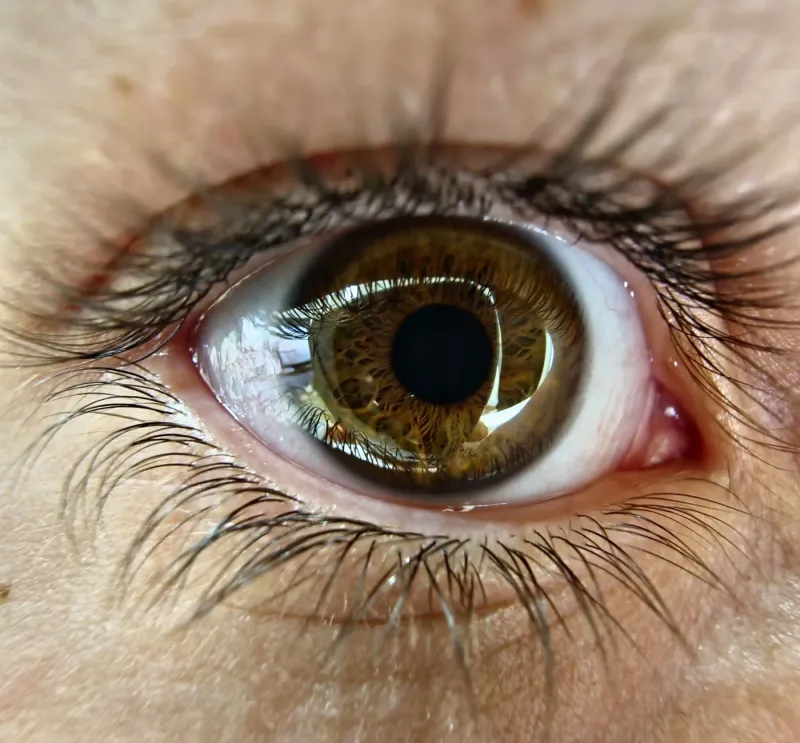
Windows to the Nervous System: What Pupil Behavior Reveals About Stress, Cognition, and Emotional Processing

The pupils of the human eye do far more than regulate light—they serve as a real-time readout of autonomic nervous system activity, cognitive effort, and emotional state. Governed by competing branches of the nervous system, pupil size fluctuates in response to stress, mental load, and even deception. Understanding this involuntary behavior offers a revealing window into the body's hidden physiological landscape.

Wired to Recoil: The Neuroscience and Autonomic Significance of the Gag Reflex

Wired to Recoil: The Neuroscience and Autonomic Significance of the Gag Reflex

The gag reflex is routinely dismissed as an inconvenience, yet it operates as a sophisticated neurological safeguard with deep ties to autonomic function and emotional regulation. Understanding why some individuals exhibit a hair-trigger response while others remain largely unaffected requires a closer look at vagal tone, brainstem circuitry, and the underappreciated relationship between psychological state and pharyngeal sensitivity. What this reflex reveals about the nervous system's broader a

Orchestrated in Milliseconds: The Neuromuscular Complexity of Swallowing and What Happens When It Breaks Down

Orchestrated in Milliseconds: The Neuromuscular Complexity of Swallowing and What Happens When It Breaks Down

Swallowing appears effortless, yet it is among the most neurologically intricate reflexes the human body performs—coordinating more than two dozen muscles across multiple cranial nerves in a precisely timed sequence that unfolds faster than conscious thought. This article examines the biomechanics and neural architecture behind deglutition, how the pharynx and esophagus independently assess food properties in real time, and why age, stress, and neurological decline quietly erode this capacity in

More Than a Breathing Muscle: The Diaphragm's Commanding Role in Digestion, Stress, and Systemic Health

More Than a Breathing Muscle: The Diaphragm's Commanding Role in Digestion, Stress, and Systemic Health

The diaphragm is far more than a respiratory pump—it is a central regulator of intra-abdominal pressure, vagal nerve tone, lymphatic circulation, and digestive motility. Chronic shallow breathing and postural dysfunction quietly compromise this muscle's broader functions, with consequences that ripple across nearly every major system in the body. Understanding what the diaphragm actually does—and what happens when it stops doing it well—reframes how we think about breathing entirely.

Calibrated From Within: The Vestibular System's Role in Balance, Cognition, and What Screens Are Quietly Undoing

Calibrated From Within: The Vestibular System's Role in Balance, Cognition, and What Screens Are Quietly Undoing

Tucked inside the inner ear, the vestibular system orchestrates far more than simple balance — it anchors spatial awareness, postural control, and even aspects of memory and attention. Modern habits, from prolonged screen time to sedentary routines, are gradually eroding this sensory infrastructure in ways most people never recognize. Understanding how the system works — and why it is under threat — is the first step toward preserving it.

Between Every Heartbeat: The Vagus Nerve, Autonomic Recovery, and What Heart Rate Variability Actually Tells You

Between Every Heartbeat: The Vagus Nerve, Autonomic Recovery, and What Heart Rate Variability Actually Tells You

Heart rate variability has become one of the most discussed metrics in performance science, yet most wearable devices only scratch the surface of what it actually measures. Beneath the numbers lies a sophisticated dialogue between your vagus nerve and your cardiovascular system—one that reveals your true physiological recovery state far more accurately than resting heart rate alone. Understanding the neuroscience behind HRV reframes how we think about stress, adaptation, and the limits of consum

Your Body's Hidden GPS: The Neuroscience of Proprioception and Why a Sedentary Lifestyle Is Quietly Switching It Off

Your Body's Hidden GPS: The Neuroscience of Proprioception and Why a Sedentary Lifestyle Is Quietly Switching It Off

Proprioception—the sensory system that tells your brain precisely where every part of your body is in space—operates almost entirely outside conscious awareness, yet it governs nearly every movement you make. Far less discussed than vision or hearing, this internal mapping network is built from thousands of specialized receptors embedded in muscles, tendons, and joints. Mounting evidence suggests that modern sedentary habits are systematically degrading it, with consequences that extend well bey

The Silent Circulatory System: What Your Lymphatic Network Actually Does and Why Science Is Only Beginning to Appreciate It

The Silent Circulatory System: What Your Lymphatic Network Actually Does and Why Science Is Only Beginning to Appreciate It

Most Americans can name the heart, the lungs, and the liver without hesitation — yet the lymphatic system, a sprawling network that quietly governs immune surveillance, fluid balance, and inflammatory control, rarely earns a mention. Understanding how lymph moves, where it goes, and what happens when it stagnates reveals a physiological story that fundamentally changes how we should think about swelling, disease, and even everyday movement.

When More Becomes Less: The Neuromuscular Science Behind Why Longer Workouts Undermine Muscle Growth

When More Becomes Less: The Neuromuscular Science Behind Why Longer Workouts Undermine Muscle Growth

A persistent belief in fitness culture holds that extending a workout session amplifies results—but neuromuscular physiology challenges that assumption directly. Research into motor unit recruitment, acetylcholine dynamics, and central fatigue reveals a physiological ceiling that emerges well before most people leave the gym. Understanding where that ceiling sits, and why it exists, fundamentally reframes how training time should be valued.

Frequency, Fear, and Physiology: What Sound Does to Your Body Below the Level of Conscious Thought

Frequency, Fear, and Physiology: What Sound Does to Your Body Below the Level of Conscious Thought

Sound is far more than an auditory experience — it is a physiological event that triggers cascading responses across your autonomic nervous system, endocrine system, and musculature. From the subsonic rumble beneath a city street to the sharp alert of a smartphone notification, different sound frequencies interact with your body in measurable, often profound ways. Understanding the biology behind these responses reveals why your environment may be quietly reshaping your stress baseline without y

When Coffee Becomes the Enemy: How Sleep Debt Rewires Your Brain's Response to Caffeine

For millions of Americans, the morning cup of coffee is a near-sacred ritual—yet for those running on chronic sleep deprivation, that same cup can trigger anxiety, restlessness, and diminished focus rather than clarity. The explanation lies deep within the brain's adenosine signaling pathways, cortisol rhythms, and the compounding neurochemical toll of accumulated REM sleep debt. Understanding why caffeine sometimes backfires requires a closer look at what sleep deprivation actually does to the

The Case Against Static Stretching Before You Train: What Neuromuscular Science Actually Shows

The Case Against Static Stretching Before You Train: What Neuromuscular Science Actually Shows

Decades of gym tradition have positioned pre-workout stretching as an essential injury-prevention ritual, but the neuromuscular evidence tells a more complicated story. Static stretching before resistance training demonstrably reduces force production, alters proprioceptive signaling, and suppresses the neural activation patterns that strength performance depends on. Rethinking warm-up structure through the lens of motor neuroscience reveals a more effective path to both performance and protecti

Waking Up Wrecked: The Neuroscience Behind Morning Muscle Weakness and Sleep Inertia

Waking Up Wrecked: The Neuroscience Behind Morning Muscle Weakness and Sleep Inertia

That heavy, uncooperative feeling you experience in the first minutes after waking is not simply tiredness — it is the result of a complex neurochemical transition that your brain undergoes as it shifts out of sleep. Understanding the physiology of sleep inertia and sleep paralysis reveals why some mornings feel nearly impossible, and what you can do to accelerate your return to full function.

Inhale, Exhale, Reset: How Breathing Patterns Rewire Your Autonomic Nervous System

Inhale, Exhale, Reset: How Breathing Patterns Rewire Your Autonomic Nervous System

Every breath you take is not merely an act of gas exchange — it is a direct signal to the nervous system that can shift the body between states of calm and arousal within seconds. The physiological link between respiratory rate and autonomic function runs through the vagus nerve, the brainstem, and the biochemistry of blood gases in ways that are both ancient and remarkably precise. Understanding this connection explains why controlled breathing practices have measurable effects on heart rate, e

Strained, Blurred, and Burning: The Visual Physiology Behind Screen-Induced Eye Fatigue

Strained, Blurred, and Burning: The Visual Physiology Behind Screen-Induced Eye Fatigue

Hours in front of a screen exact a measurable physiological toll on the eyes, triggering a cascade of muscular fatigue, disrupted tear chemistry, and neural strain that manifests as blurred vision and throbbing headaches. Understanding the sensory mechanics behind digital eye strain reveals why the modern workday is uniquely punishing to the visual system. Science-backed recovery strategies rooted in how the eye actually functions offer a clearer path forward.

From Damage to Recovery: A Cellular Timeline of the Inflammatory Response

From Damage to Recovery: A Cellular Timeline of the Inflammatory Response

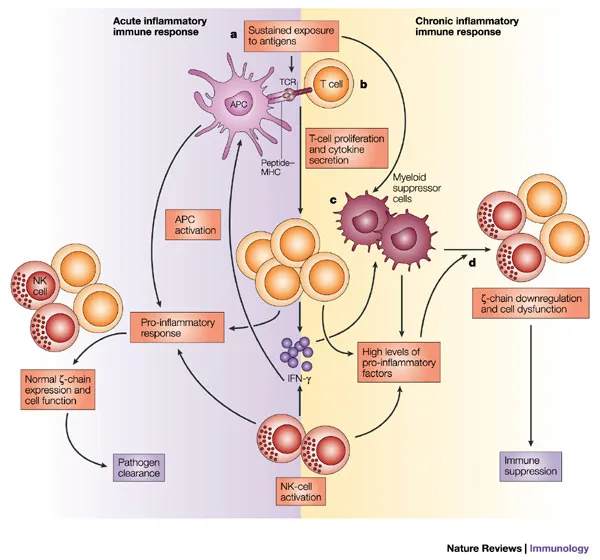
Inflammation has earned an unfairly negative reputation in popular health culture, but at the cellular level it represents one of the body's most sophisticated and precisely orchestrated repair systems. Tracing the complete arc of the inflammatory response—from the moment of tissue injury through full resolution—reveals a cascade of molecular events that is both more nuanced and more purposeful than most people realize. Understanding this timeline has direct implications for how we approach reco

The Second Brain Speaks: How Gut Bacteria Shape Your Emotions, Appetite, and Mental Well-Being

The Second Brain Speaks: How Gut Bacteria Shape Your Emotions, Appetite, and Mental Well-Being

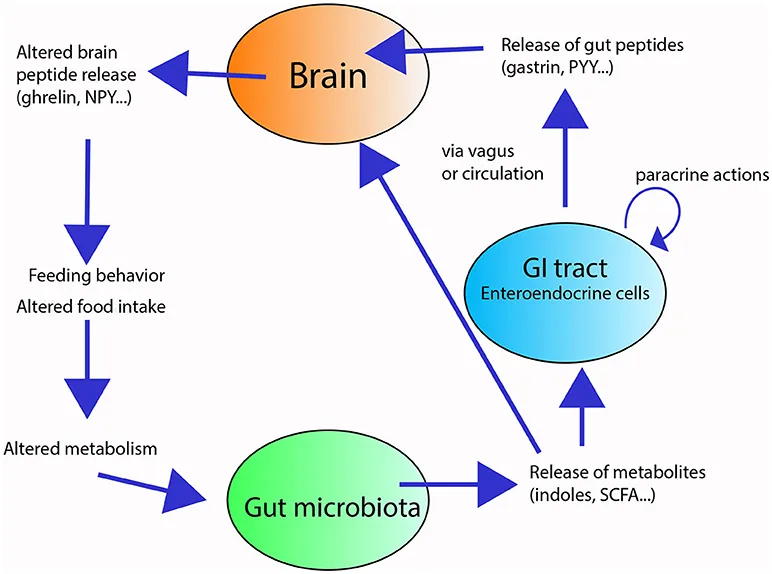
Decades of neuroscience focused almost exclusively on the brain as the seat of mood and mental health — but a rapidly expanding body of research is rewriting that story. The trillions of microorganisms living in the human gut communicate with the brain through a sophisticated bidirectional highway, influencing everything from anxiety levels to food cravings. Understanding this gut-brain axis may fundamentally change how we think about depression, stress, and even what we choose to eat for dinner

Your Brain on Autopilot: The Real Neuroscience of How Habits Are Built — and Why It Takes Longer Than You Think

Your Brain on Autopilot: The Real Neuroscience of How Habits Are Built — and Why It Takes Longer Than You Think

The popular claim that habits form in 21 days has been thoroughly debunked by modern neuroscience — yet it persists in self-help culture with remarkable tenacity. Understanding how the basal ganglia, prefrontal cortex, and dopamine reward circuits actually collaborate to encode behavior reveals a far more nuanced, and ultimately more empowering, picture of human habit formation. The real timeline depends on the complexity of the behavior, individual neurological variability, and the consistency